
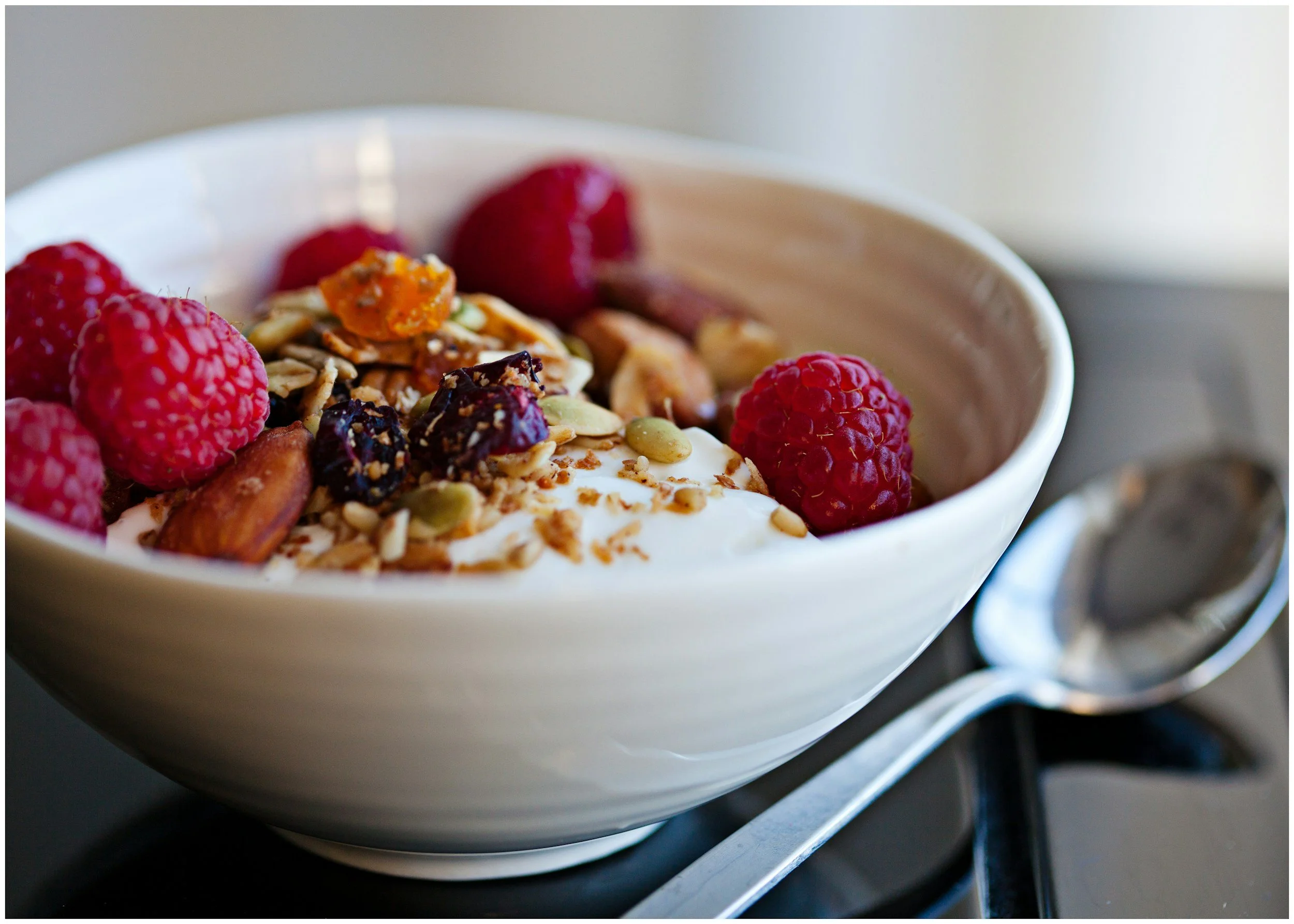
If there's one change I wish every woman over 50 would make, it's this one. Eat more protein, and spread it through your day.
It sounds almost too simple. But when I look at a new client's food log, low protein is one of the first things I see. A coffee and a piece of toast for breakfast. A salad with a few croutons for lunch. Then a decent dinner. That's not enough for the body you have now.
Why protein matters more after 50
Starting in our 40s, we slowly lose muscle every year. Lower estrogen speeds that up. Muscle isn't just about how you look. It helps you stay strong, keep your balance, protect your bones and keep your blood sugar steady.
As we get older, our bodies also get less efficient at using the protein we eat. So we need more of it, not less, to get the same benefit.
How much is enough?
The old guideline of 0.8 grams per kilogram of body weight was set to prevent deficiency, not to help you thrive. Many experts now suggest about 1.0 to 1.2 grams per kilogram for healthy older adults, and more if you're very active.
For a 150-pound woman, that's roughly 70 to 80 grams a day. The easiest way to get there is about 25 to 30 grams at each meal.
What 25 to 30 grams looks like
4 ounces of chicken, turkey or fish
1 cup of plain Greek yogurt with a handful of nuts
1 cup of cottage cheese
3 eggs plus a slice of smoked salmon or a side of black beans
A protein smoothie made with a good-quality protein powder
Start with breakfast
Breakfast is where most of us fall short. If you start the day with 25 grams or more, you'll often notice fewer cravings, steadier energy and less snacking by mid-afternoon. Try it for one week and see how you feel.
Pair your protein with plenty of vegetables, fiber and healthy fats. And don't forget strength training. Protein gives your muscles the building blocks, but lifting is what tells them to grow.
Every body is different
Your ideal amount depends on your size, activity, labs and health history. If you have kidney concerns or other medical conditions, talk with your doctor before increasing protein. This is exactly the kind of detail we personalize in Functional Medicine Nutrition.
Want a plan built for your body?
Book a free, 45-minute Hot Mess SOS Session with me. We'll look at what you're eating now and what your body may need, and you'll leave knowing your next step. I see clients in person in Greenwich, CT and Westchester, NY, and virtually across Connecticut and New York.
Book your Hot Mess SOS Session
This post is for education only and isn't medical advice. Talk with your doctor before making changes to your diet, exercise or medications.